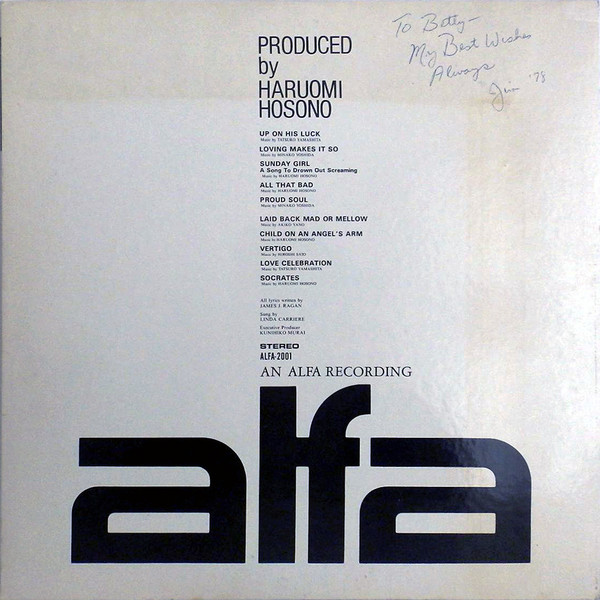
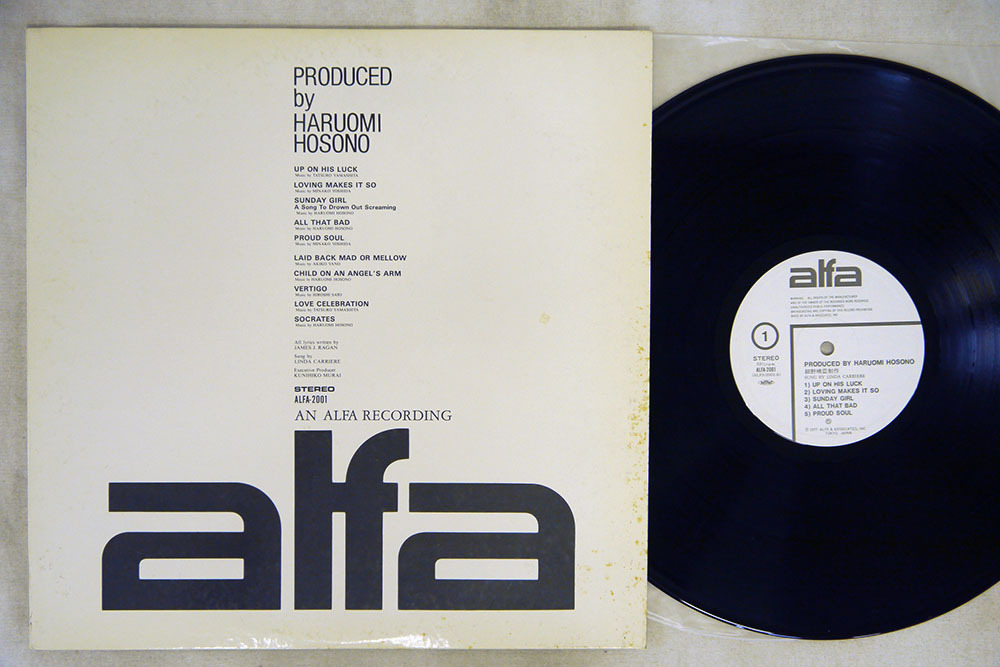
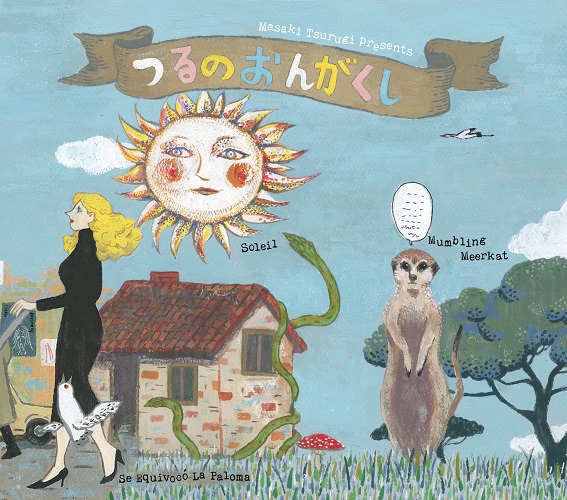
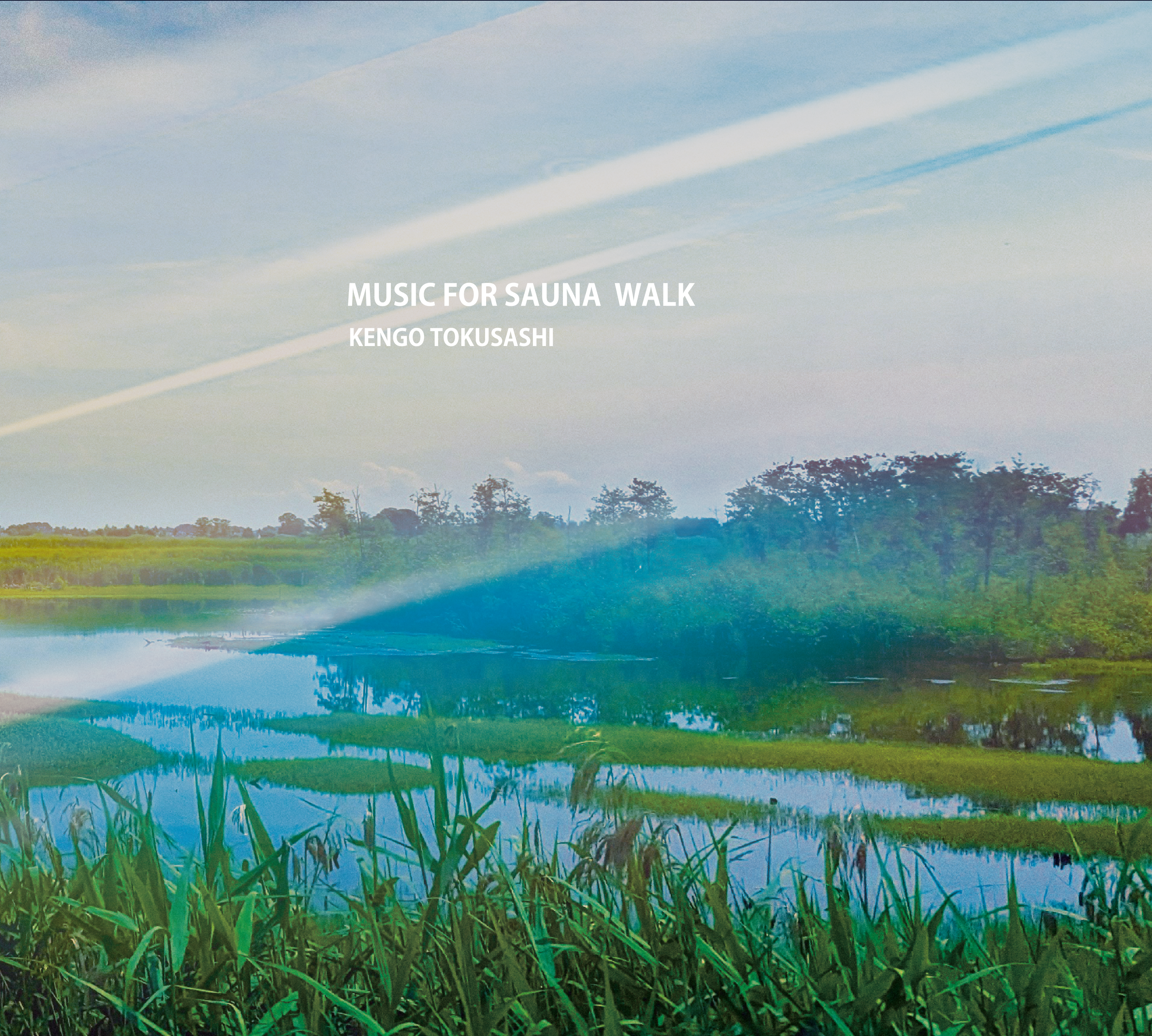
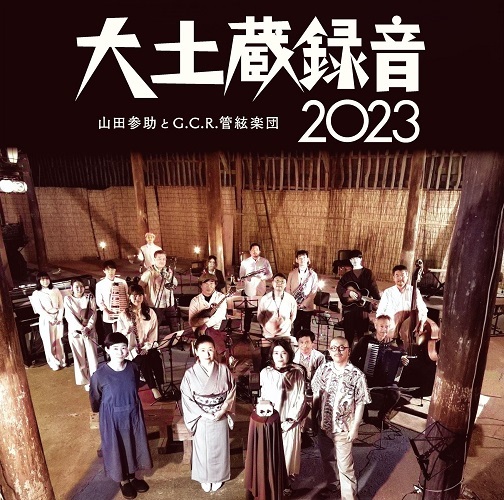
Japan has some of the world's most inventive big bands, and The Thrill are one of the best, describing themselves as a rock 'n' roll big band. Nine different horn players on saxes, flugelhorns, trumpets and tubas backed up by bass, drums, guitar, percussion and keyboards. The group plays mostly rock with elements of boogie and other types of music and features some of Japan's best session players. 10 tracks.
First album from Osaka's highly rated Soul Flower Mononoke Summit for nine years., the acoustic version of a rock band who got together to cheer up the victims of the Kobe earthquake in 1995. A lot of water has passed under the bridge, probably most notably for this album that the group's leader Hideko Itami has moved to Okinawa with Irish producer and bouzouki player Donal Lunny. The group have maintained their basic sound and original members, Okinawan sanshin, the characteristic chindon drum (also the name of the music, a kind of early form of street advertising) plus accordion, clarinet (the wonderful Wataru Ohkuma) guitars, hayashi backing vocals and Takashi Nakagawa's rasping vocals. They still play Japanese soshi enka (political street songs) dating back up to 100 years, but there's a definite Okinawan leaning to this album. Most of it was recorded in Okinawa and there are four local tunes including Kunjyan Jintoyo and Chon Chon Kijimuna, while Natsuki Nakamura, one of Okinawa's best young musicians (in the UK recently with Ryukyudisko) plays Okinawan shima daiko drum and is among the hayashi chorus. Donal Luuny adds his considerable skills and experience as bouzouki player and co-producer. Elsewhere is a great version of the Korean classic Toraji, old sing-along party tunes and the Kawachi ondo flavored Kamagasaki Ninjyo. Probably the album's highlight though is Takeda Koi Koi Bushi, their version taken from a buraku (former outcast) community in Kyoto. This may be SFMS third album, but seeing as the first two included mostly live tracks, this feels almost like the first. And highly recommended it is too. Price: £23.99
Brilliant album of acoustic unit of Soul Flower, playing mainly old Japanese songs, in a chindon/folk mixture. Mainly live, with two studio recorded songs. Essential album.
Second album from the acoustic unit of Soul Flower, recorded live in Tokyo. Just as brilliant as the last one, but a bit longer. Price: £23.99
The self styled 'musical gangstars' from Tokyo, Asakusa Jinta have been variously described as a psychobilly punk hardcore Asianica marching brass band. Their music mixes rockabilly, punk, Japanese old sytle 30s pop, Klezmer, polka and Balkan brass band music. They play accordion, saxophone, tuba, double bass, drums, guitar, dress in Hawaiian shirts, outlandish hats and create a huge explosion of energy. Zero Sky is their latest album, causing quite a stir in Japan.
Released worldwide in 2002 by Tropical Music.Cicala Mvta (pronounced shikala moota) are one of Japan's most exciting and original groups. Like other innovative musicians, their music is hard to define; "punk chindon jazz", "world and noise band to clarinet in a chindon group. Colorful chindon groups used to be a common sight in Japan, marching in the streets noisily banging a chindon drum, while saxophones or clarinets would pick out the melody to the hits of the day.Ohkuma tramped the streets of Tokyo for 7 years playing clarinet as part of a spluttering tradition, until the late 80s when together with the group Compostella he started to revive chindon music by mixing it with other elements. While Japan is the only eastern country to have so readily absorbed western music, street performances of wind and percussion instruments can be found all over the world. As an "unmilitarized" street music, chindon is related to Jewish Klezmer music, New Orleans brass bands and wind and percussion ensembles from China and south east Asia. Ohkuma is as keen to embrace these influences in the music of Cicala Mvta. "In my opinion, old jazz , klezmer or wedding brass band traditions, from India to the Balkans, are all similar to chindon as an early modern mixture music . These are all clarinet musics, so it's very natural for me to play these types together" he says. Ohkuma's other disparate influences help give Cicala Mvta their own distinctive sound. These he cites as progressive rock, punk, avant-garde jazz, early modern music (such as Bartok) and folk.Only occasionally featuring the chindon drum, Ohkuma's perky clarinet is ably abetted by an unusual line-up of musicians, each bringing with them a sense of individuality to supplement Ohkuma's clarinet and saxophone, in what is a totally original line-up; fluid, distorted electric guitar, rip-roaring, booming tuba, squeaking, screeching cello, frantic, discordant fiddle, and tinny, shuffling drums. "Deko Boko" is Cicala Mvta's second album and a progression on their self titled first CD. The mixtures are more radical than ever, and the tunes self penned by Ohkuma and arranged by the group. Both traditional chindon and the retro-futuristic sound of Cicala Mvta are an entirely natural combination of the old and new, the east with the west. Cicala Mvta is one of only a few Japanese groups, to have created a 'buzz' in other countries. Their first overseas gig in 2000 was supporting Blur in London, afterwhich they toured for 6 weeks, playing to enthusiastic audiences at festivals throughout Europe. Despite being instrumental, their music is not without a message. The band's name, Italian for a 'mute cicada', derives from the epitaph written on the gravestone of Soeda Azembo (1872 -1944) the greatest street singer and songwriter of popular music in Japan before the 1920s. "His songs were banned and he was repeatedly thrown into prison. They tried to break his spirit and make him really mute" explains Ohkuma. Cicala Mvta and chindon music too, is not about to go quietly.
Price: £23.99
Asakusa Jinta are also the first group to belong the Rakugo Association. Rakugo is traditional Japanese comedy dating back about 80 years, but even today is at the root of most Japanese comedy. This album was supported by the Rakugo Art Association, and the group are joined by some famous rakugoka artists.
Such a great idea, chindon versions of New Orleans jazz. You wonder why it hasn't been done before. Formed in 1984 in Osaka, Ching-Dong Tsushinsha are Japan's most enduring chindon ensemble. The group was started by Koujiro Hayashi on trumpet, Shinnosuke Kobayashi on clarinet and Jersey Kawaguchi on banjo. Hayashi had started a New Orleans jazz club while at university, which turned out to be the genesis of Tsushinsha. He saw many similarities between jazz parades in New Orleans and the chindon street brass bands of Japan. 26 years later is an album of jazz tunes, including When the Saints Go Marching In, Weary Blues, Red River Valley, Lilly of the Valley, I Thought I Heard Buddy Bolden Say, Bucket's Got a Hole in It, all played in a chindon style. Original tunes are the title track 'I'll Take That Ching-Dong Jazz Music' and 'Doutonbori Koushinkyoku'. Brilliant. Price: £22.99
Ching-Dong Tsushin-Sha are an excellent chin-dong group from Osaka- the brass band and percussion street music orginally used as a form of advertising. Aside to the saxes, clarinets and ching-dong drum, they mix in erhu (Chinese violin) and electric guitar. Ching-dong groups have always played the hits of the day, and this album includes a version of the Boom's pop samba classic Kaze ni Naritai, and Seiko Matsuda's Akai Sweet Pea and an amazing version of Santana's Black Magic Woman. 21 tracks.
Kitamura Osawa Gakutai are probably Japan's oldest brass band that is still active. Most of the tunes they play are around 100 years old. In the hands of Kitamura Osawa Gakutai those tunes have evolved but maintain the atmosphere of Japanese music from a different era that had only recently come into contact with Western military brass band music. It all sounds sort of out of tune in the most appealing way. Nineteen tracks bursting with energy and life. Price: £23.99
Chin-Dong is the brash, colourful brass band music that used to be used for advertising on the streets of Japan before there was TV. In the 90s a few groups such as Compostella, Cicala Mvta or Soul Flower Mononoke Summit updated and incorporated the tradition into their music. Adachi Senden Sha are a young chin-dong group from Fukuoka, playing a pretty authentic style with great panache. The group have won the all Japan ching-dong award and definitely have the pedigree. This wonderful CD was originally released on a small indie company and now gets a major release. Brilliant.
Wonderful female vocalist, chindon, accordion and recorder player is joined by superb musicians on piano, guitar, saxophones (Kanji Nakao) violin (Keisuke Ohta) tuba, recorder (Takero Sekijima) and others on a delightful off beat, jazzy, nostalgic album of old Japanese, Chinese, traditional, and new material. Utterly charming. Price: £23.99
Single by group mixing Okinawan music with chindon, a bit like Soul Flower Mononoke Summit with a female vocalist.
Veteran chindon band. Standard chindon, original and brazilian style. If you like Mononoke Summit etc. you should like this. Price: £23.99
Extraordinary 2 CD, 40 track compilation that traces the history of Japanese brass music since the arrival of Commodore Perry in 1853 with brass band in tow. From the tune Perry's band played, 'Hail Columbia' to the Japanese national anthem recorded in 1937, through to Japanese propoganda tunes and songs recorded during the war by the Japanese marine band, this is a fascinating document. There is a smattering of Western and American tunes that became popular after the war, Bizet's Carmen, and the Olympic fanfares from Tokyo in 1964 and Sapporo in 1972. Unfortunatelty the liner notes are only in Japanese, but nevertheless a beautifully packaged and highly interesting album well worth seeking out.
New Orleans style brass band, who play an eclectic range of music, from Okinawan roots to ska and reggae. They have recorded with an equally diverse range of musicians, such as Okinawan's Begin, Soul Flower Union, and Rip Slyme.This best of compilation marks their 10th Anniversary and includes some of these collaborations, and many other rasping tunes from their repertroire. An exciting, talented group.
Mini CD of excellent brass band, who have collaborated with Soul Flower Union, turn various music styles, some not so obvious, into brass workouts.
Osaka based brass group joined by Takashi Nakagawa from Soul Flower Mononoke Summit on some tracks, mixing world and Japanese brass band music with startling results. The Japanese version of Fanfare Ciocarlia. Price: £23.99